
A Homeowner's Guide to Hardwood Floors in Plymouth's Historic Homes
· By Dionatha Soares
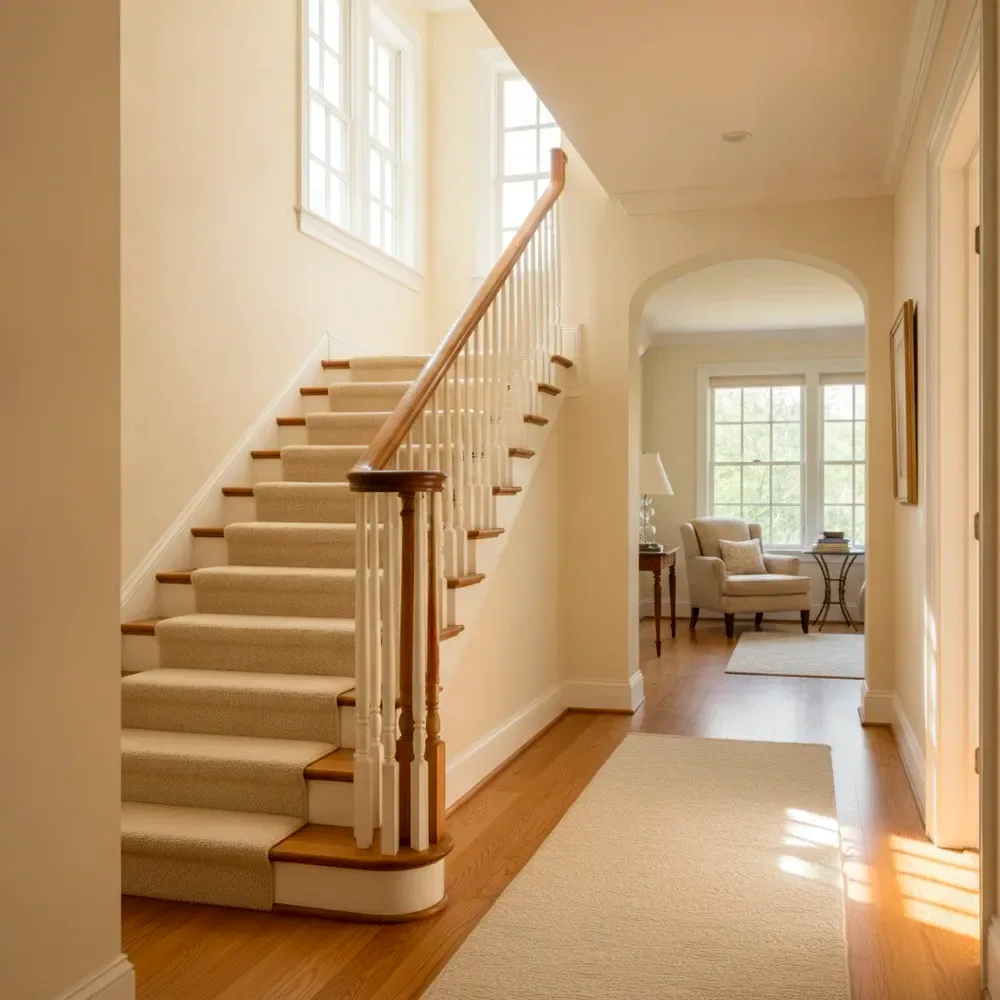
Plymouth is one of the oldest towns in America, and it shows in its housing stock. From antique Colonials and Capes downtown to century-old homes near the waterfront and out toward Chiltonville, many Plymouth houses still have their original wood floors underfoot. Those floors are part of what makes these homes special, and they deserve care that respects their age.
Restoring antique hardwood is not the same as refinishing a modern floor. The wood is different, the construction is different, and the goal is often to preserve character rather than erase it. This guide covers what makes Plymouth historic floors unique and how to treat them right.
What is under your rugs: old-growth pine and antique boards
Many of Plymouth oldest homes have wide-plank pine or old-growth softwood floors, not the narrow oak strips common in later construction. This old-growth wood is denser and more characterful than anything milled today, with tight grain and a warmth that is impossible to replicate.
Softer antique woods like pine dent and wear differently than oak, and they take stain unevenly. Understanding what species and era your floor is helps set realistic expectations for what refinishing can and cannot do. In many cases those dents and patina are the charm, not a flaw to sand away.
Preserve the patina, do not erase it
The instinct with an old floor is often to sand it perfectly smooth and new. With a historic floor, that can be a mistake. A century of gentle wear, the slight cupping, the darkened traffic paths, the old nail heads, is part of the story, and aggressively sanding it away removes character that cannot be brought back.
A lighter touch often serves antique floors better. Sometimes a gentle screen-and-recoat or a hand-refinish preserves the age while renewing the protection. The goal is a floor that looks cared-for and authentic, not a floor pretending to be new.
Antique floors are thin: sand carefully
Historic floors have often been sanded before, sometimes several times over a hundred-plus years, so there may not be much wood left to remove. Aggressive machine sanding on a thin antique floor can cut through to the tongue or expose old fasteners.
This is exactly why an assessment matters before touching a historic floor. Checking remaining thickness at the board edges tells you whether the floor can take a full sanding or needs a gentler approach. Getting this wrong can permanently damage an irreplaceable floor.
Handling the quirks of old construction
Antique homes settle. Floors in older Plymouth houses often slope, have gaps between boards, squeak, and meet walls that are no longer plumb. Some of this is simply the nature of an old house and best left alone. Some, like a loose board or a widening gap, can be addressed.
Repairs on historic floors call for matching antique or reclaimed wood so patches blend with the original boards, rather than bright new lumber that stands out. Sourcing and blending that wood is part of doing the job right on an older home.
Moisture, heating, and coastal Plymouth
Plymouth homes near the water contend with coastal humidity in summer and dry forced-air or antique heating in winter. Old floors have lived with this cycle for generations, but big swings still cause the boards to move, gap, and occasionally cup.
Keeping indoor humidity steady year-round, with a humidifier in winter and good ventilation in summer, is one of the kindest things you can do for an antique floor. It reduces the seasonal movement that opens gaps and stresses old boards.
Restoring a historic floor with care
The right approach to a Plymouth historic floor starts with respect for what is there: identify the wood, measure what is left, decide how much to preserve, and choose the gentlest method that achieves the goal. Sometimes that is a full careful refinish, sometimes a light recoat, sometimes targeted repair.
We work on original wood floors throughout Plymouth and treat them as what they are: a piece of the home history worth protecting. If you have an antique floor you are not sure how to handle, we are glad to take a careful look and lay out your options.
Frequently asked questions
- Can old pine floors in historic homes be refinished?
- Often yes, but with care. Antique pine is soft, takes stain unevenly, and may be thin from past sandings. A gentle approach, sometimes a light recoat rather than an aggressive sanding, usually serves these floors best.
- Should I sand my historic floor perfectly smooth?
- Not necessarily. Much of an antique floor character, its patina and gentle wear, is worth preserving. Over-sanding removes irreplaceable history and thins an already thin floor. A lighter refinish often looks and lasts better.
- Can you repair damaged boards in an old floor?
- Yes. Damaged antique boards can be replaced with matching reclaimed or antique wood so the repair blends with the original, then blended in during refinishing. Matching the wood is key to keeping the floor authentic.
- How do I know the right approach for my historic floor?
- Book a free in-home assessment. We identify the wood, measure the remaining thickness, and recommend the gentlest method that restores and protects your original Plymouth floor.
Found this helpful? Make us a preferred source on Google.
Ready for an exact price?
Get a free, no-pressure in-home estimate. Real numbers for your home, not a phone guess.