
Caring for Hardwood Floors in Coastal South Shore Homes (Duxbury, Marshfield & Nearby)
· By Dionatha Soares
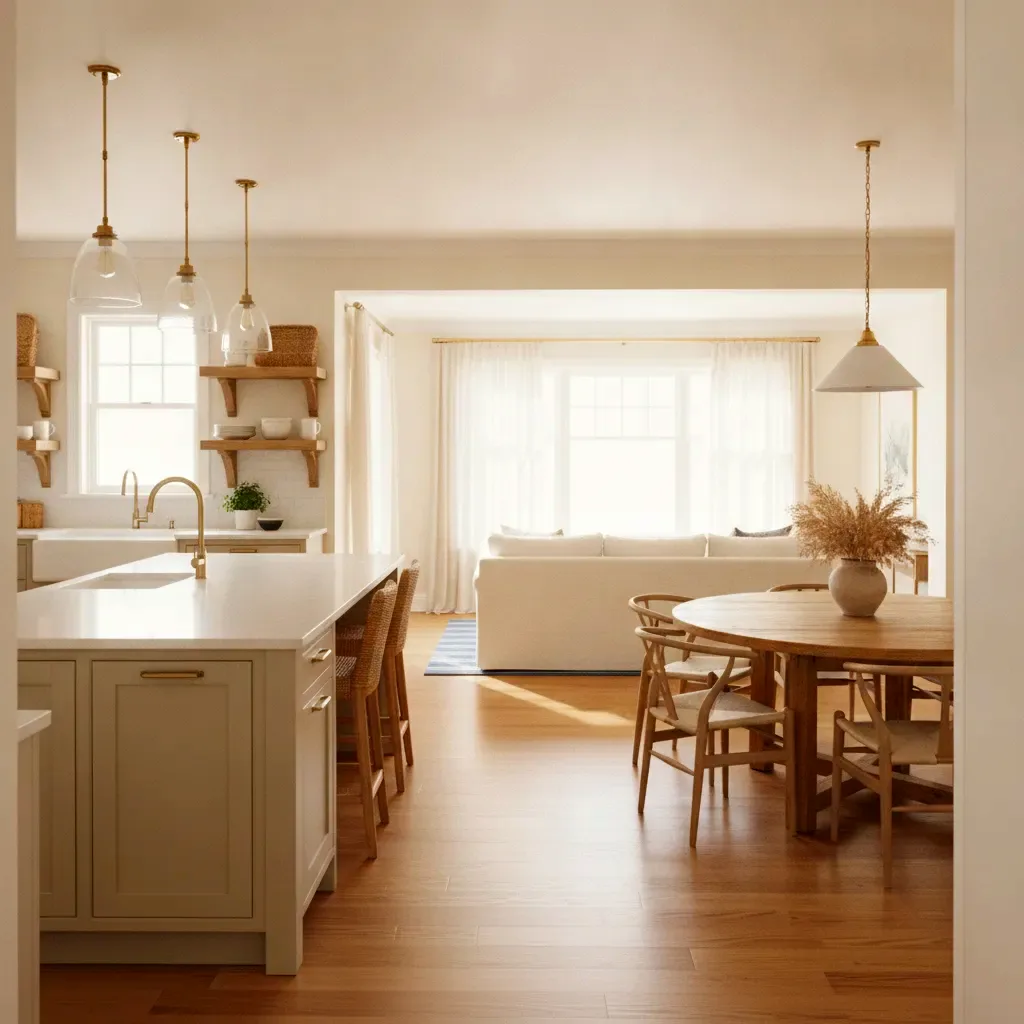
Coastal life on the South Shore is wonderful, and it is hard on hardwood floors. Homes in Duxbury, Marshfield, and the neighboring beach towns face a specific set of challenges that inland homes do not: sand tracked in from the beach, salt-laden humid air, big seasonal moisture swings, and bright sun off the water.
None of that means you cannot have beautiful wood floors near the coast. It means caring for them with the coastal environment in mind. Here is a practical guide to keeping hardwood floors looking their best in a South Shore beach home.
Sand is the number one enemy
If you live near the beach, sand is your floors biggest daily threat. Fine sand is essentially tiny abrasive rock, and every grain tracked in and stepped on grinds micro-scratches into the finish. Over a summer of beach trips, that adds up to a visibly dulled floor in the traffic paths.
The defense is a serious entry strategy: a coarse outdoor mat, an absorbent indoor mat, a spot to leave sandy shoes and beach gear, and frequent dry sweeping or vacuuming to lift sand before it gets ground in. A no-shoes rule inside is especially valuable in a beach house.
Salt air and humidity
Coastal air is both salty and humid, and the humidity is the part that affects wood most. Wood absorbs moisture from damp summer sea air and swells, which can cause cupping and tight, buckling boards if the humidity runs high for long stretches.
Managing indoor humidity is the key. Air conditioning and dehumidifiers during the humid months keep the air, and the wood, in a stable range. Aim for a steady moderate humidity rather than letting the house swing from muggy summer to bone-dry winter heat.
Seasonal movement in a beach home
South Shore coastal homes see a big annual moisture cycle: humid, salty summers and dry, heated winters. Wood floors expand and contract with that cycle, so it is normal to see gaps open between boards in winter and close in summer. Some seasonal movement is expected and not a defect.
The trouble comes from extreme swings. Keeping the house from getting too humid in summer and too dry in winter reduces the stress on the boards and keeps gapping and cupping to a minimum. Steady is the goal, in both directions.
Sun and fading with a water view
The big windows and open sightlines that make coastal homes special also flood the floors with sunlight. Over time, UV exposure fades and shifts the color of hardwood, and you may notice a lighter path where the sun lands and darker outlines under rugs and furniture.
Rotate rugs and furniture occasionally so the floor ages evenly, and consider UV-filtering window treatments in the sunniest rooms. When it is time to refresh, refinishing evens out sun-faded color across the whole floor.
Choosing the right floor for coastal conditions
If you are installing new floors in a coastal home, the stability question matters more than inland. Engineered hardwood, with its layered core, handles the humidity swings of a beach home better than solid wood in the most exposed or ground-level rooms, while solid hardwood remains a great choice for stable, above-grade spaces.
Finish choice matters too. A durable, moisture-resistant finish stands up better to the sand and cleaning a beach home demands. We help homeowners in Duxbury and Marshfield choose products suited to living near the water, not just what looks good in a showroom.
A coastal cleaning routine that works
The winning routine near the coast is frequent gentle cleaning: dry sweep or vacuum often to clear sand, then a barely damp mop with a hardwood-safe cleaner as needed. Skip the steam mop and the vinegar; both harm the finish over time. Wipe up any water or salty tracks promptly.
If your coastal floors have taken on sun fade, cupping, or a season of sandy wear, a refinish resets them beautifully. We work throughout Duxbury, Marshfield, and the surrounding South Shore towns and know what these coastal floors go through. Reach out for a free look at yours.
Frequently asked questions
- Why do my floors gap in winter and close in summer?
- Coastal homes swing from humid summers to dry, heated winters. Wood absorbs summer moisture and swells, then dries and shrinks in winter, opening small gaps. Some seasonal movement is normal; steady indoor humidity keeps it minimal.
- Is engineered or solid hardwood better near the beach?
- Engineered hardwood handles humidity swings better in exposed or ground-level coastal rooms because of its stable layered core. Solid hardwood is still excellent for stable, above-grade spaces. The right pick depends on the room.
- How do I protect coastal floors from beach sand?
- Use a two-mat entry system, keep beach gear and shoes at the door, and sweep or vacuum sand frequently before it grinds into the finish. A no-shoes rule inside is the most effective habit in a beach home.
- Can you refinish sun-faded or cupped coastal floors?
- Yes. Refinishing evens out sun-faded color, and mild cupping that has stabilized can usually be sanded and refinished. Book a free estimate in Duxbury, Marshfield, or nearby and we will assess your floors.
Found this helpful? Make us a preferred source on Google.
Ready for an exact price?
Get a free, no-pressure in-home estimate. Real numbers for your home, not a phone guess.